If a used-car listing says a vehicle “needs TLC,” it means the car needs tender loving care—but that description does not tell you how much work is involved. It could mean stained seats and small scratches, or it could be a vague way to describe overdue servicing, leaks, brake problems, or costly repairs.
Before buying, ask for specific defects, review the vehicle’s history, and arrange an independent pre-purchase inspection.
For car owners, TLC generally means cleaning, regular maintenance, and addressing wear before minor issues become larger ones. For used-car buyers, however, “needs TLC” is a condition warning to investigate, not a diagnosis or a promise of a bargain.
This guide explains what TLC means in cars, how to inspect a vehicle advertised that way, and which red flags deserve professional attention or a decision to walk away.
Quick Answer: TLC stands for tender loving care. In a car advertisement, it means the vehicle needs some attention—anything from detailing and minor cosmetic repairs to overdue maintenance or significant mechanical work. The phrase itself does not describe the vehicle’s safety, reliability, or repair cost.
What Does TLC Mean in Cars?
In automotive conversations, TLC is an informal way of saying that a vehicle would benefit from extra attention. It isn’t an official repair classification, inspection grade, or manufacturer warning code.
You might hear it from an owner talking about keeping an older car in good shape, or see it in a listing such as “Runs and drives, just needs some TLC.”
That example leaves out the most important information: What is wrong, what has already been checked, and what will the work cost? A car can start and move yet still need unsafe tires, brake work, a cooling-system repair, or diagnosis of a warning light.
What Does “Car Needs TLC” Mean in a Used-Car Ad?
A seller may be describing ordinary wear or may simply be using a broad phrase instead of listing every issue. The wording alone doesn’t prove dishonesty.
Still, it should prompt three requests: a written list of known problems, maintenance records, and permission for a qualified independent mechanic to inspect the car before purchase.
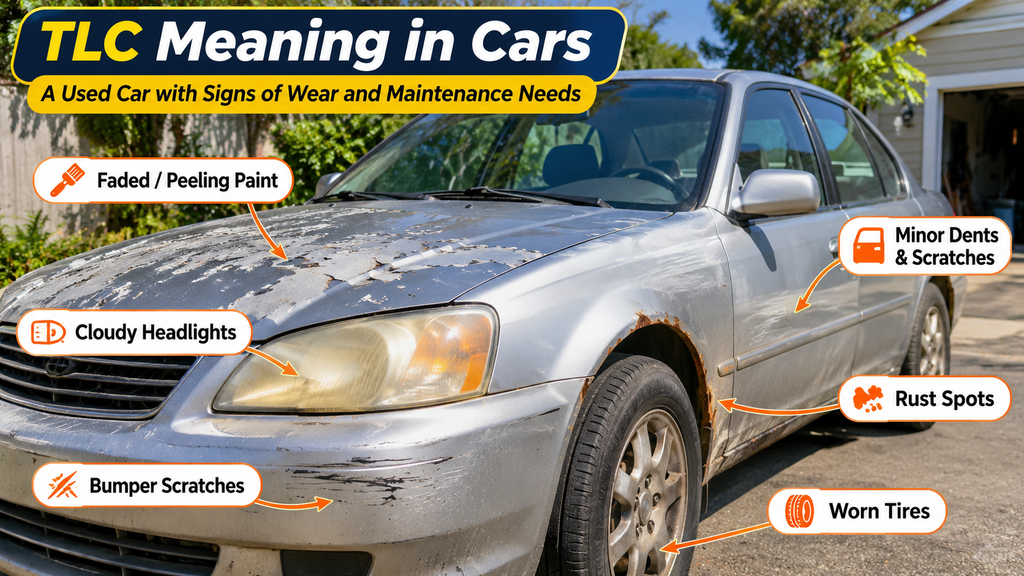
Example: “2015 sedan, good daily driver, needs a little TLC.” That could mean faded paint and a dirty cabin, or it could involve a history of overheating and a slipping transmission. Only the vehicle’s condition, supporting records, and proper inspection can help separate those possibilities.
Minor TLC vs. Serious Car Problems
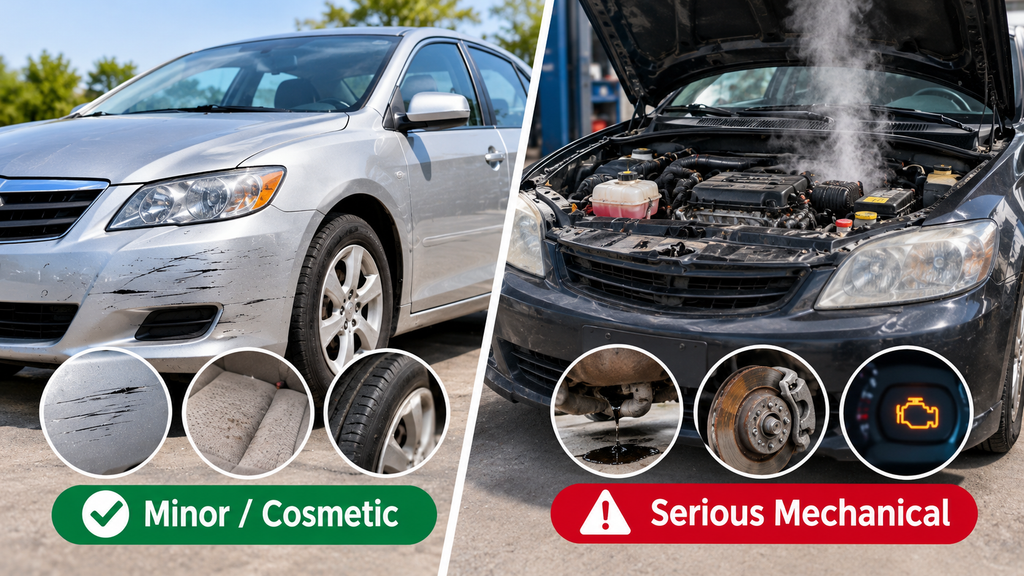
The most useful distinction is not whether a car looks neglected. It’s whether the problems are cosmetic, routine-maintenance related, safety-related, or potentially expensive mechanical faults.
| Observed Issue | What It Might Mean | Buying Priority |
|---|---|---|
| Dusty cabin, stained mats, faded trim | Mostly cleaning or cosmetic work | Usually lower priority after inspection |
| Small scratches or door dings | Cosmetic repairs may be optional | Check for larger body damage |
| Worn wipers or overdue filters | Routine upkeep is needed | Plan necessary maintenance |
| Missing service records | Maintenance history is uncertain | Request evidence and inspect closely |
| Uneven tire wear or worn brakes | Possible safety, alignment, or suspension concerns | Professional evaluation before purchase |
| Wet carpets, musty odor, unusual corrosion | Possible water intrusion or flood damage | Investigate thoroughly; consider walking away |
| Overheating, knocking, significant fluid loss | Potentially serious mechanical problem | Do not assume a cheap repair |
| Slipping transmission or harsh shifting | Possible transmission-related fault | Get specialist diagnosis and estimate |
| Structural rust or poorly repaired collision damage | Potential structural and safety concerns | Often a strong reason to decline |
A car with only cosmetic wear may be a reasonable project if it passes inspection and the total cost makes sense. A car with unsafe brakes, severe structural corrosion, or unexplained overheating is not merely a detailing project.
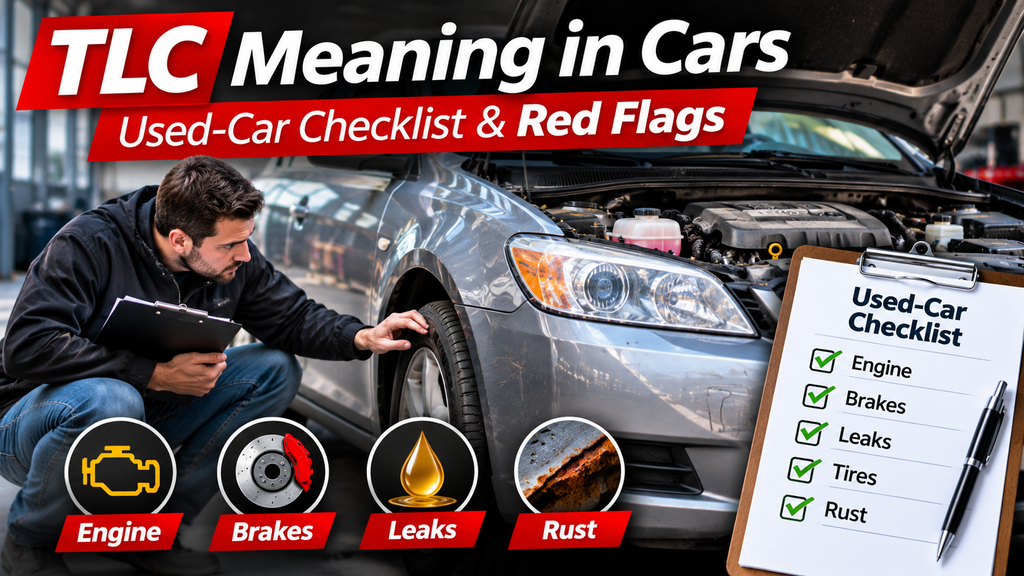
Used-Car TLC Inspection Checklist: 12 Checks Before You Buy
Use this checklist when viewing a vehicle in person. It helps you ask better questions, but it does not replace a professional pre-purchase inspection (PPI).
Get the owner’s permission before operating controls, starting the engine, or test-driving.
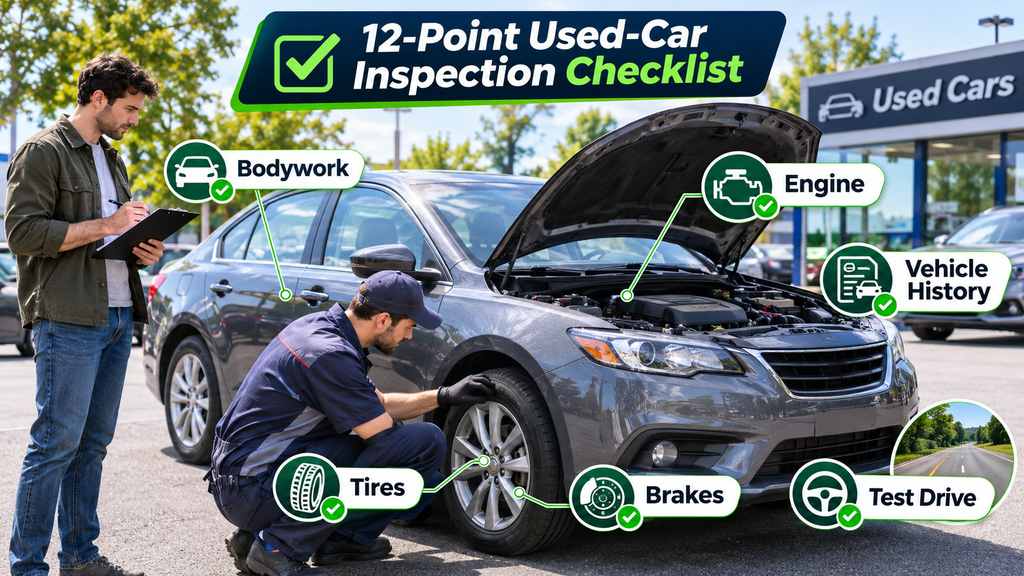
1. Ask the Seller Exactly What “TLC” Means
Request the known problems in writing: what doesn’t work, when the issue began, which repairs were recommended, and whether the seller has estimates.
Ask about recent work, recurring defects, warning lights, overheating, and accident repairs. Don’t settle for “just a sensor” without evidence.
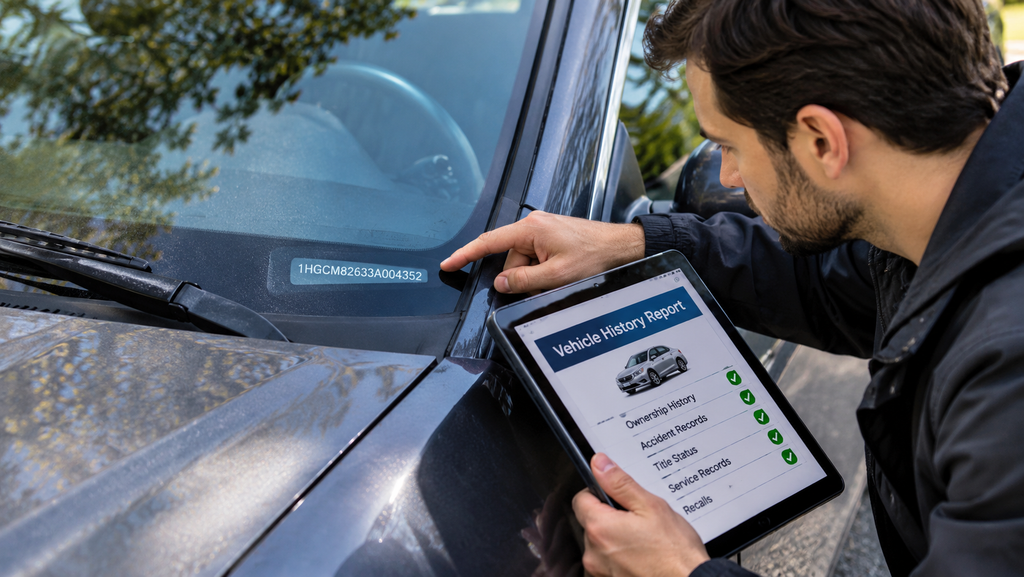
2. Verify the VIN, Title, and Vehicle History
Check that the VIN on the vehicle matches the paperwork and available records. Review title status and obtain a reputable vehicle-history report for reported ownership, mileage, and damage information.
A clean history report does not prove the car is mechanically sound. Reported records can also be incomplete.
3. Look for Open Safety Recalls
Use the vehicle’s VIN to check for unrepaired safety recalls through the US National Highway Traffic Safety Administration (NHTSA).
An open recall may require a manufacturer remedy. Discuss its status and any applicable restrictions before purchase. A recall check is not a substitute for a mechanical inspection.
4. Review Maintenance and Repair Records
Compare invoices and service entries with the manufacturer’s recommended maintenance schedule for that model and engine.
Look for evidence of oil changes, coolant services, brake work, timing-belt replacement where applicable, and other important maintenance. Missing records are not proof of neglect, but they increase uncertainty.
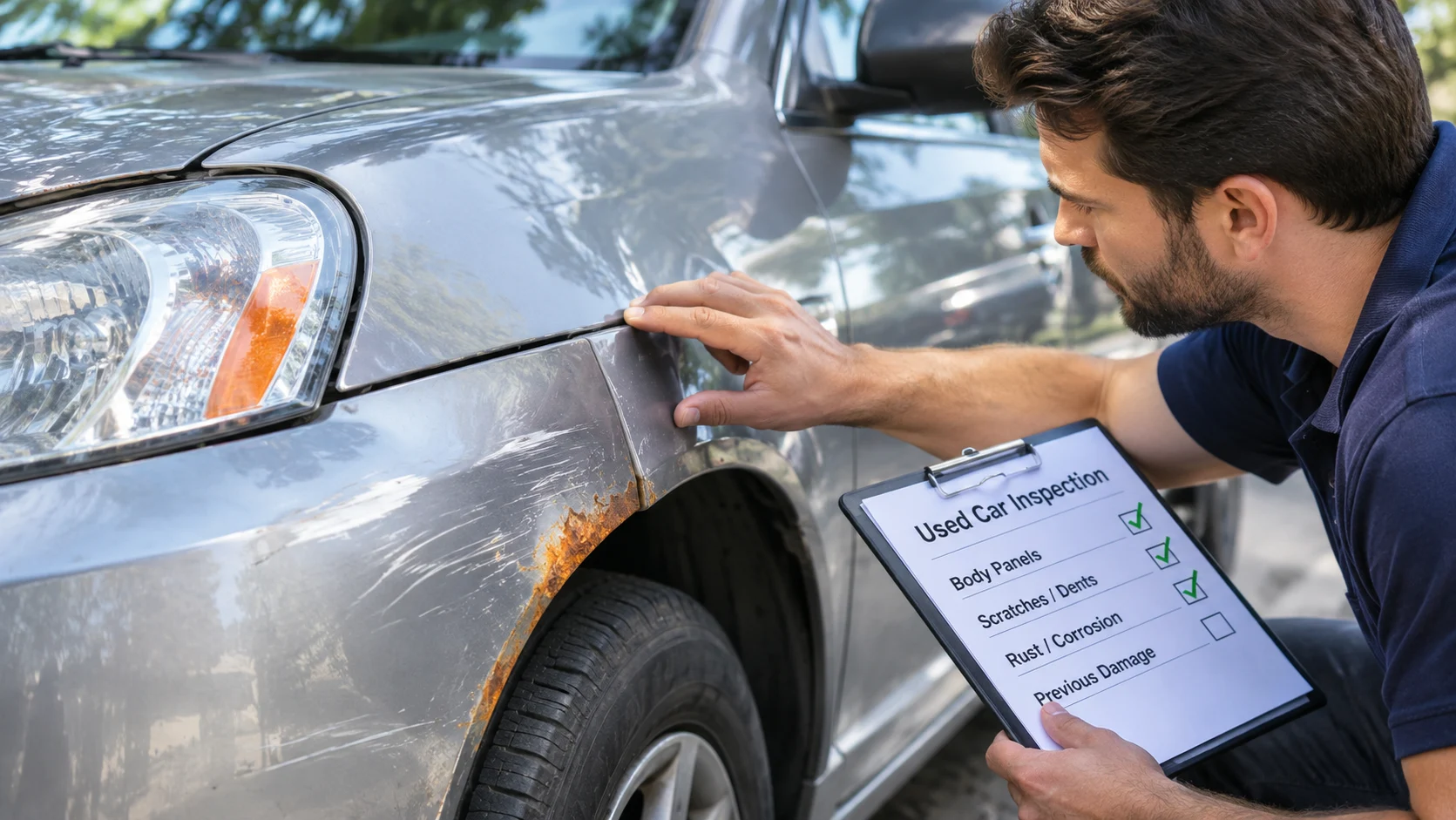
5. Inspect the Body, Underside, and Signs of Water Damage
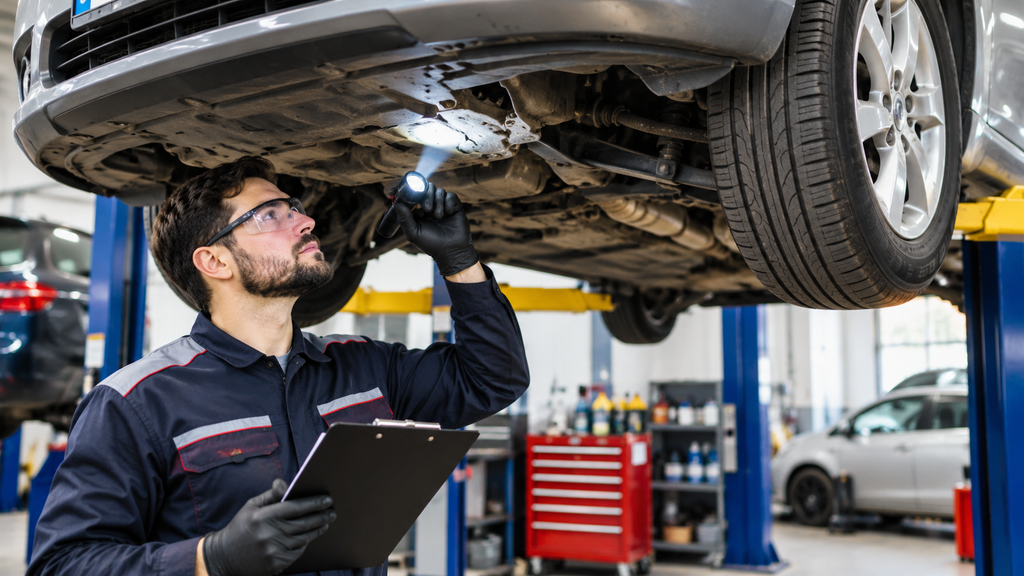
In good daylight, look for uneven panel gaps, paint differences, overspray, cracked glass, damaged underbody panels, and corrosion around structural areas.
Check carpets and the spare-wheel well for unexplained moisture or musty odors. A professional should inspect any suspected frame or structural damage.
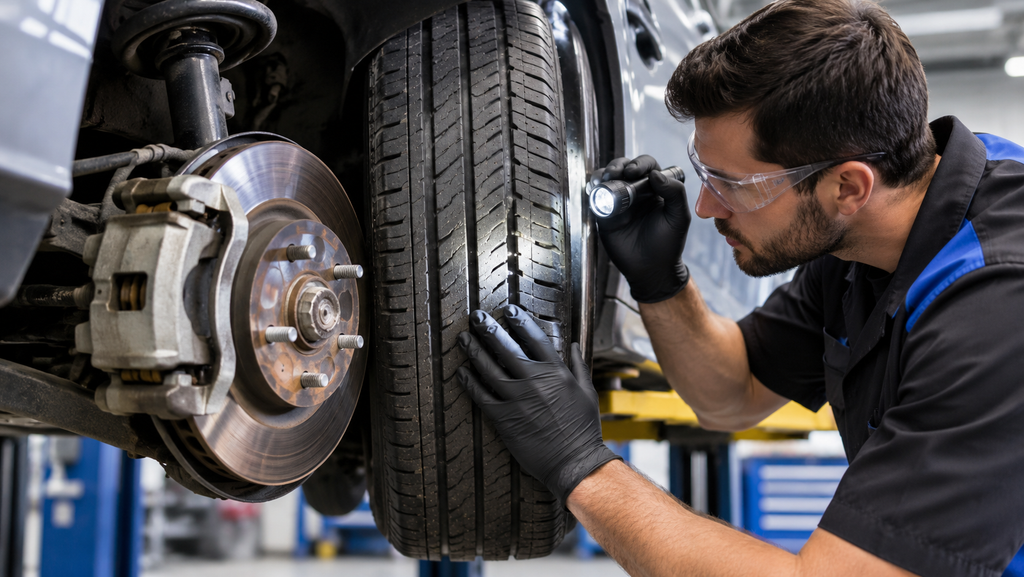
6. Check Tires, Wheels, and Visible Brakes
Look for low tread, cracks, sidewall damage, uneven wear, mismatched tire sizes, and wheel damage.
During the inspection, ask a technician to measure tire and brake condition and check steering and suspension. Do not assume uneven wear only needs an alignment.
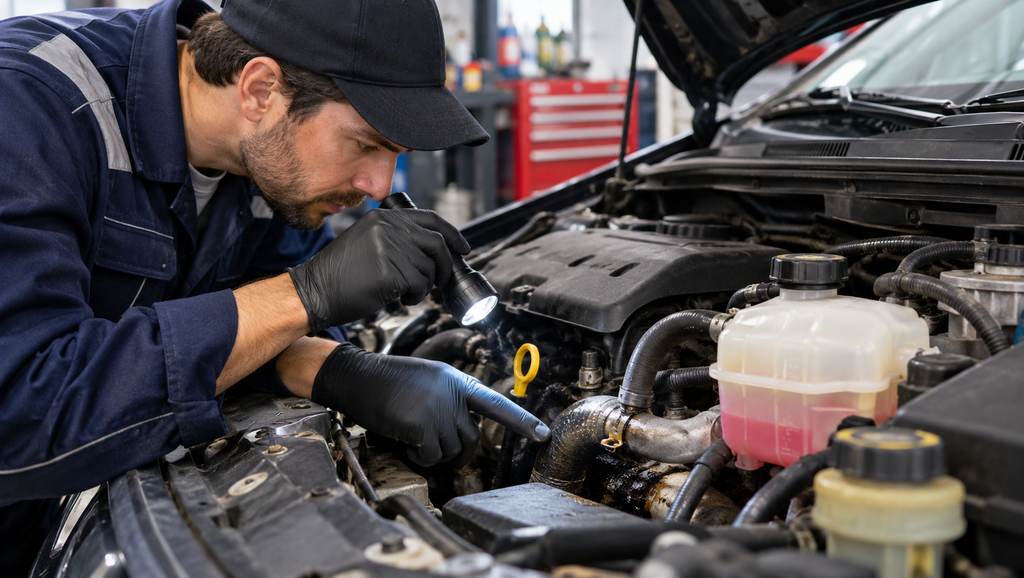
7. Look for Fluid Leaks and Cooling Problems
With the engine off and the vehicle safely positioned, look for obvious fluid spots or residue.
Ask about oil consumption, coolant loss, previous overheating, and recent top-offs.
Never open a hot radiator or pressurized coolant cap. A freshly cleaned engine bay does not prove that leaks are absent.
8. Observe the Engine Start and Dashboard Warnings
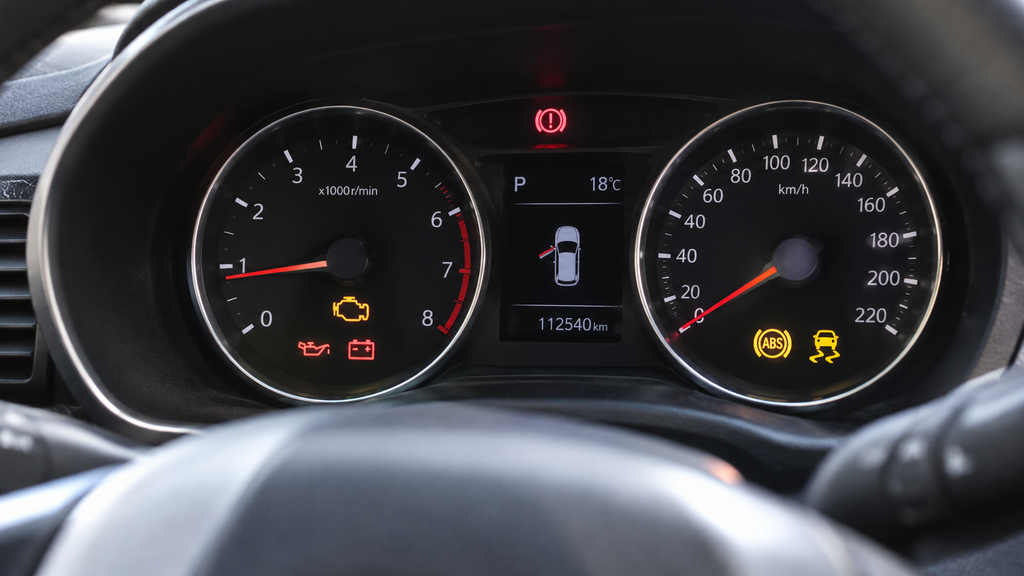
With the seller’s permission, start the car and observe how it runs. Watch for unusual noises, rough idle, smoke, abnormal temperature behavior, and warning messages.
Confirm dashboard indicators behave as described in the owner’s manual. A light that disappears after a restart does not prove the underlying issue is fixed.
9. Test Electrical Features and the Cabin
Check lights, windows, door locks, heating and air conditioning, infotainment, seat adjustments, wipers, and other features relevant to the specific vehicle.
Check safety equipment and warning indicators according to the owner’s manual. A seemingly minor electrical issue can require expensive diagnosis on some models.
10. Take a Safe, Representative Test Drive
If the car is safe to drive and the seller allows it, test it on appropriate local roads.
Pay attention to braking, steering pull, vibration, shift quality, cooling temperature, and abnormal sounds.
Avoid hard acceleration, unsafe maneuvers, or using a public road to investigate a potentially serious fault.

11. Arrange an Independent Pre-Purchase Inspection
Ask a qualified mechanic who is not selling the vehicle to examine its mechanical and safety condition, scan relevant systems as needed, inspect the underside, and review test-drive findings.
Some faults require specialist tools or additional diagnostics. Ask for a written inspection report with the VIN and repair recommendations.
The Federal Trade Commission (FTC) recommends independent inspection even for some dealer-inspected or certified used vehicles.
12. Get Written Repair Estimates Before Negotiating
Separate required work into safety repairs, near-term mechanical or maintenance needs, and optional cosmetic improvements.
Obtain realistic parts-and-labor estimates for the vehicle and your area. Include your time and a contingency allowance, because some concealed faults only become apparent during repairs.
Repair Red Flags: When “Needs TLC” May Mean More
These warning signs deserve particular caution because they can affect vehicle safety, reliability, or the overall cost of ownership.
Overheating or repeated coolant loss:
Could indicate leaks, cooling-system faults, or engine damage. Avoid continued operation until diagnosed
Severe engine knocking, persistent misfires, or heavy smoke:
Different faults can cause these symptoms. Do not assume one inexpensive repair will fix the vehicle.
Transmission slipping or difficulty selecting gears:
Requires diagnosis of the transmission, clutch, or control systems as applicable.
Grinding, weak, uneven, or unpredictable braking:
Have the braking system professionally checked before the car is driven again.
Severe structural corrosion or suspected flood damage:
These problems can affect more than appearance and may justify walking away.
Multiple warning lights or recently cleared fault codes:
Ask what was repaired and obtain a proper scan and inspection. Cleared codes alone do not establish condition.
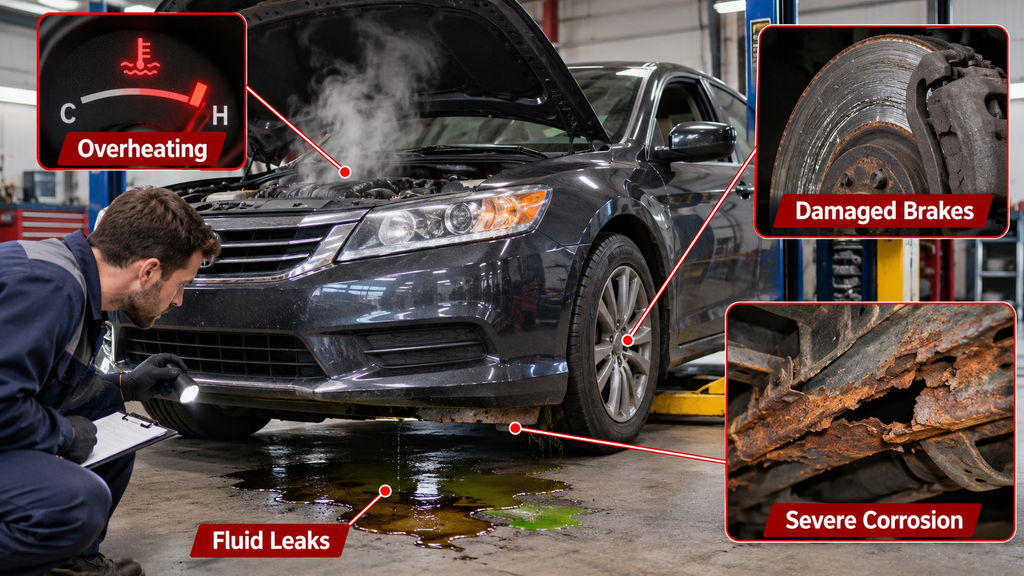
Safety Note: If a vehicle has poor braking, severe steering problems, overheating, or another potentially unsafe fault, do not perform a road test. Arrange professional inspection or towing instead.
Should You Buy a Car That Needs TLC?
A lower asking price is not automatically a good deal. Decide based on verified condition and the total cost to make the vehicle safe and suitable for your needs, not the seller’s description.
| Vehicle Condition | Recommended Decision |
|---|---|
| Mostly cosmetic wear, good records, no major faults found | Compare total cost with better-condition vehicles |
| Overdue maintenance but acceptable inspection findings | Budget for necessary services and negotiate using estimates |
| Unknown repair scope or incomplete diagnosis | Pause and request further inspection |
| Serious safety or structural problem, or inspection refused | Consider walking away |
Simple Used-Car Cost Comparison
Asking Price + Immediate Repairs + Overdue Maintenance + Contingency = Practical Acquisition Budget
Compare this amount with similar vehicles in sound condition, plus insurance, registration, fuel, and ongoing ownership costs.
Be cautious about a vehicle that seems affordable only because its essential repairs have not yet been priced.
What to Ask a Used-Car Seller Who Says “Needs TLC”
Save these questions before calling or viewing the vehicle.
- Which specific problems are included in “TLC”—cosmetic, mechanical, or both?
- Are any dashboard warning lights currently on, or have diagnostic codes recently been cleared?
- Has the vehicle overheated, lost coolant, or required repeated fluid top-ups?
- How old are the tires, and when were the brakes last inspected?
- What maintenance and repair records are available?
- Has it had flood damage, collision repairs, a rebuilt or salvage title, or major rust repair?
- Is the VIN available for vehicle-history and safety-recall checks?
- Can an independent mechanic inspect the car before a purchase decision?
- Which repairs have written estimates, and who prepared them?
Seller responses are useful starting points, not substitutes for independent verification.
What Does TLC Mean for a Car You Already Own?
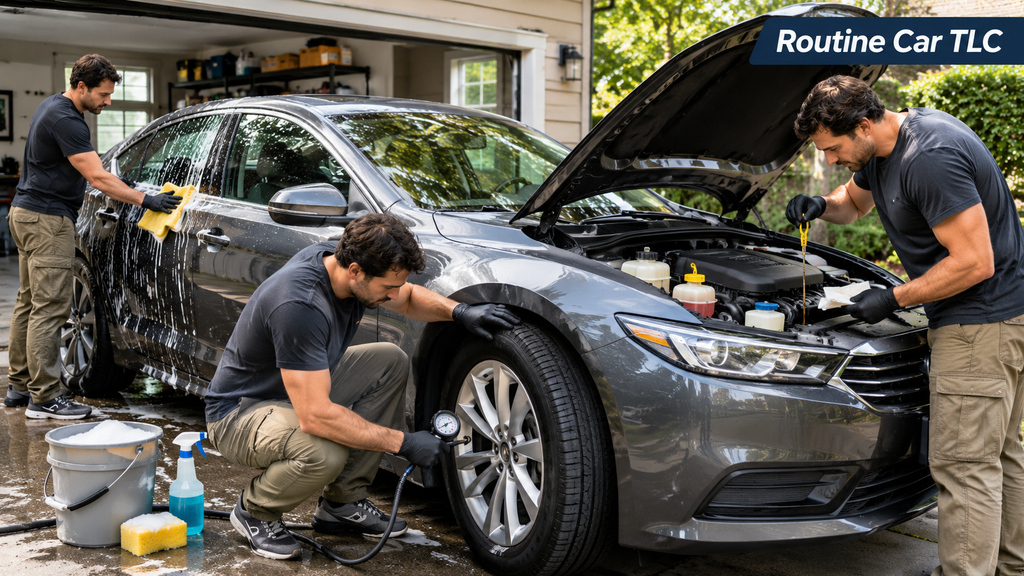
If you’re keeping an older car rather than buying one, TLC usually means staying ahead of routine maintenance and addressing problems promptly.
Follow the maintenance schedule for your exact year, model, engine, and driving conditions.
Typical TLC tasks include checking tire condition, replacing worn wiper blades, keeping up with fluid and filter service, and investigating unfamiliar noises or dashboard warnings.
Cosmetic care—cleaning the cabin, washing away road salt, and repairing minor trim damage—can help preserve a vehicle’s appearance.
However, appearance should come after safety-related repairs. A freshly detailed car can still have serious mechanical problems.
TLC vs. Regular Maintenance
Regular maintenance refers to scheduled servicing and inspections recommended by the vehicle manufacturer.
TLC is a broader informal term. It might include regular maintenance, cleaning, cosmetic restoration, or unscheduled repairs.
Neither phrase guarantees that a car has been properly maintained.
Does TLC Always Mean Tender Loving Care?
In a used-car listing, TLC almost always means tender loving care.
One transportation-related exception is New York City, where TLC can mean the Taxi and Limousine Commission.
This agency regulates taxis and certain for-hire vehicles and drivers. A “TLC-licensed vehicle” in NYC is therefore referring to licensing, not a car advertised as needing repairs.
Frequently Asked Questions About TLC in Cars
What does TLC mean in cars?
It means tender loving care—extra maintenance, cleaning, cosmetic attention, or repairs. In a used-car listing, ask the seller to identify the exact work needed.
What does “needs TLC” mean when buying a used car?
It means the seller says the vehicle needs attention, but the phrase does not tell you its condition or repair cost. Review records, inspect the vehicle, and arrange an independent mechanical inspection.
Does a car that needs TLC have serious problems?
Not necessarily. It may only need detailing or minor work. However, the same wording can accompany safety-related or major mechanical problems, so verify the condition before buying.
Is it worth buying a used car that needs TLC?
Sometimes, if the problems are understood, the vehicle passes inspection, and the purchase price plus repair budget compares well with better-condition alternatives. Major safety concerns or an uncertain repair scope can make it a poor choice.
What should I inspect first on a car advertised as needing TLC?
Start with known defects, ownership and maintenance records, title and VIN checks, tires and brakes, signs of leaks or damage, and dashboard warnings. Then obtain a qualified independent pre-purchase inspection.
Does TLC mean the same thing as car maintenance?
No. Maintenance is scheduled vehicle care; TLC is an informal description that may include maintenance, cleaning, repairs, and cosmetic improvements.
Can a car look clean and still need major TLC?
Yes. Detailing may improve appearance without fixing overheating, brake wear, transmission problems, structural damage, or electrical faults. Evaluate mechanical condition separately.
Should I buy a used car without a pre-purchase inspection?
An independent inspection is strongly recommended, especially when the listing says the car needs work. If the seller won’t permit one, consider walking away.
How much does car TLC cost?
There is no standard price. Costs range from minor cleaning to extensive mechanical repairs. Use vehicle-specific written estimates for essential work before committing to a purchase.
What does TLC mean on a New York City taxi?
In NYC transportation, TLC may mean the Taxi and Limousine Commission. That is different from a used-car seller saying a vehicle “needs TLC.”
Final Takeaway
In cars, TLC means tender loving care, but when a seller says a vehicle “needs TLC,” the wording is too vague to establish condition or value.
Make the buying decision based on the specific defects, inspection findings, written repair estimates, and total cost—not a reassuring phrase in the advertisement.
Key Takeaway: A car needing TLC may require only routine maintenance or cosmetic work, but it could also have serious mechanical or safety problems. If safety is uncertain, get a professional inspection before driving or purchasing.